- List of all cryptocurrencies
- Are all cryptocurrencies based on blockchain
- Value of all cryptocurrencies
What are all the cryptocurrencies
One of the biggest winners is Axie Infinity — a Pokémon-inspired game where players collect Axies (NFTs of digital pets), breed and battle them against other players to earn Smooth Love Potion (SLP) — the in-game reward token https://generoustroopers.com/iron-bet-casino/. This game was extremely popular in developing countries like The Philippines, due to the level of income they could earn. Players in the Philippines can check the price of SLP to PHP today directly on CoinMarketCap.
TThe data at CoinMarketCap updates every few seconds, which means that it is possible to check in on the value of your investments and assets at any time and from anywhere in the world. We look forward to seeing you regularly!
In January 2024 the SEC approved 11 exchange traded funds to invest in Bitcoin. There were already a number of Bitcoin ETFs available in other countries, but this change allowed them to be available to retail investors in the United States. This opens the way for a much wider range of investors to be able to add some exposure to cryptocurrency in their portfolios.
Almost. We have a process that we use to verify assets. Once verified, we create a coin description page like this. The world of crypto now contains many coins and tokens that we feel unable to verify. In those situations, our Dexscan product lists them automatically by taking on-chain data for newly created smart contracts. We do not cover every chain, but at the time of writing we track the top 70 crypto chains, which means that we list more than 97% of all tokens.

List of all cryptocurrencies
TThe data at CoinMarketCap updates every few seconds, which means that it is possible to check in on the value of your investments and assets at any time and from anywhere in the world. We look forward to seeing you regularly!
One of the biggest winners is Axie Infinity — a Pokémon-inspired game where players collect Axies (NFTs of digital pets), breed and battle them against other players to earn Smooth Love Potion (SLP) — the in-game reward token. This game was extremely popular in developing countries like The Philippines, due to the level of income they could earn. Players in the Philippines can check the price of SLP to PHP today directly on CoinMarketCap.
The very first cryptocurrency was Bitcoin. Since it is open source, it is possible for other people to use the majority of the code, make a few changes and then launch their own separate currency. Many people have done exactly this. Some of these coins are very similar to Bitcoin, with just one or two amended features (such as Litecoin), while others are very different, with varying models of security, issuance and governance. However, they all share the same moniker — every coin issued after Bitcoin is considered to be an altcoin.
At the time of writing, we estimate that there are more than 2 million pairs being traded, made up of coins, tokens and projects in the global coin market. As mentioned above, we have a due diligence process that we apply to new coins before they are listed. This process controls how many of the cryptocurrencies from the global market are represented on our site.
Almost. We have a process that we use to verify assets. Once verified, we create a coin description page like this. The world of crypto now contains many coins and tokens that we feel unable to verify. In those situations, our Dexscan product lists them automatically by taking on-chain data for newly created smart contracts. We do not cover every chain, but at the time of writing we track the top 70 crypto chains, which means that we list more than 97% of all tokens.
Are all cryptocurrencies based on blockchain
Most public blockchains arrive at consensus by either a proof-of-work or proof-of-stake system. In a proof-of-work system, the first node, or participant, to verify a new data addition or transaction on the digital ledger receives a certain number of tokens as a reward. To complete the verification process, the participant, or “miner,” must solve a cryptographic question. The first miner who solves the puzzle is awarded the tokens.
Case in point: You’ve probably used Uber, Airbnb, or even Amazon. Such digital marketplaces and platforms help us facilitate an exchange of value. But today, we actually have a technology that allows us to trade one to one, but at scale. And it’s called blockchain technology.
One reason for this is the emergence of competing technologies. In the payments space, for example, blockchain isn’t the only fintech disrupting the value chain—60 percent of the nearly $12 billion invested in US fintechs in 2021 was focused on payments and lending. Given how complicated blockchain solutions can be—and the fact that simple solutions are frequently the best—blockchain may not always be the answer to payment challenges.
After the launch of IOTA, many non-blockchain protocols followed suit. However, most of them invented their own consensus algorithms to protect the network from double-spending attacks. Aside from IOTA, protocols utilizing DAGs also include Nano and Byteball.
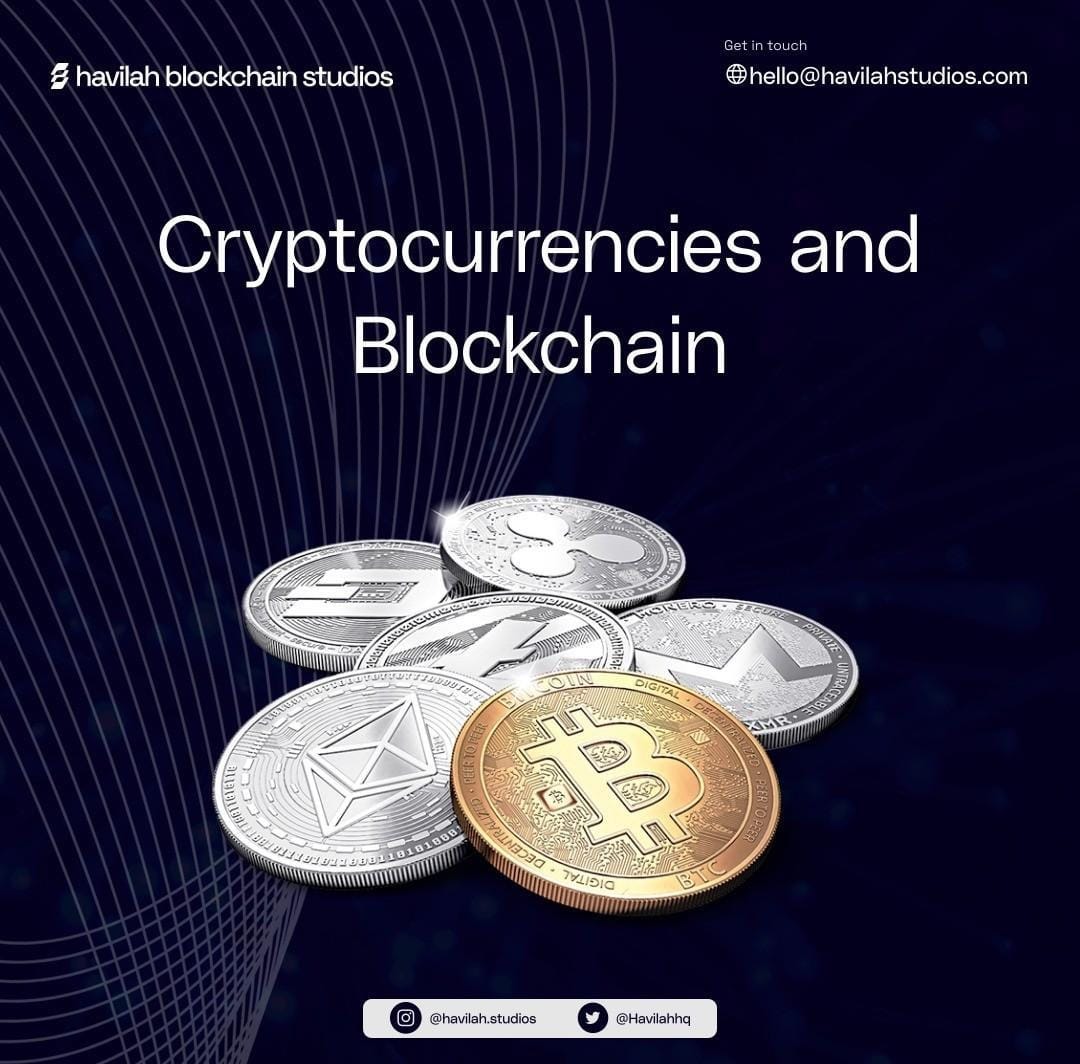
Most public blockchains arrive at consensus by either a proof-of-work or proof-of-stake system. In a proof-of-work system, the first node, or participant, to verify a new data addition or transaction on the digital ledger receives a certain number of tokens as a reward. To complete the verification process, the participant, or “miner,” must solve a cryptographic question. The first miner who solves the puzzle is awarded the tokens.
Case in point: You’ve probably used Uber, Airbnb, or even Amazon. Such digital marketplaces and platforms help us facilitate an exchange of value. But today, we actually have a technology that allows us to trade one to one, but at scale. And it’s called blockchain technology.
Value of all cryptocurrencies
The very first cryptocurrency was Bitcoin. Since it is open source, it is possible for other people to use the majority of the code, make a few changes and then launch their own separate currency. Many people have done exactly this. Some of these coins are very similar to Bitcoin, with just one or two amended features (such as Litecoin), while others are very different, with varying models of security, issuance and governance. However, they all share the same moniker — every coin issued after Bitcoin is considered to be an altcoin.
Play-to-earn (P2E) games, also known as GameFi, has emerged as an extremely popular category in the crypto space. It combines non-fungible tokens (NFT), in-game crypto tokens, decentralized finance (DeFi) elements and sometimes even metaverse applications. Players have an opportunity to generate revenue by giving their time (and sometimes capital) and playing these games.
Price volatility has long been one of the features of the cryptocurrency market. When asset prices move quickly in either direction and the market itself is relatively thin, it can sometimes be difficult to conduct transactions as might be needed. To overcome this problem, a new type of cryptocurrency tied in value to existing currencies — ranging from the U.S. dollar, other fiats or even other cryptocurrencies — arose. These new cryptocurrency are known as stablecoins, and they can be used for a multitude of purposes due to their stability.
At the time of writing, we estimate that there are more than 2 million pairs being traded, made up of coins, tokens and projects in the global coin market. As mentioned above, we have a due diligence process that we apply to new coins before they are listed. This process controls how many of the cryptocurrencies from the global market are represented on our site.
Almost. We have a process that we use to verify assets. Once verified, we create a coin description page like this. The world of crypto now contains many coins and tokens that we feel unable to verify. In those situations, our Dexscan product lists them automatically by taking on-chain data for newly created smart contracts. We do not cover every chain, but at the time of writing we track the top 70 crypto chains, which means that we list more than 97% of all tokens.